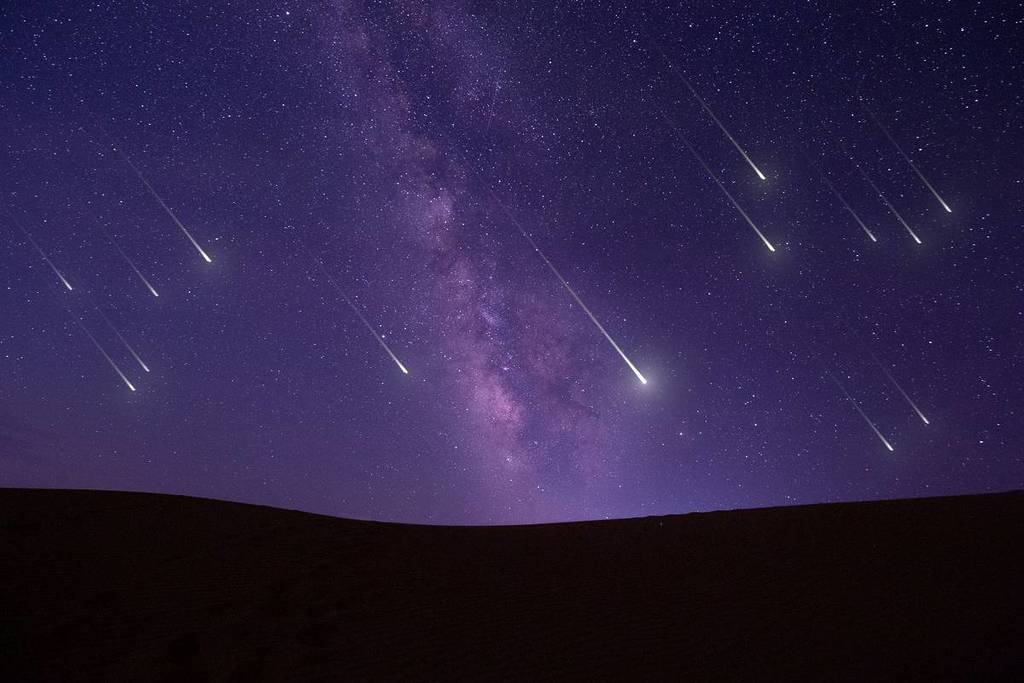

Spring is officially in full swing, and it’s bringing a spectacular celestial light show along with it! The annual Lyrid meteor shower is currently active, breaking a months-long meteor drought. If you’re looking to catch a few shooting stars over the desert, this is what you need to know.
When is the peak of the Lyrid meteor shower?
While the Lyrids are active throughout mid-to-late April, the absolute best time to watch in 2026 is late at night on Wednesday, April 22, into the pre-dawn hours of Thursday. The great news for stargazers this year is that the moon will set early in the evening. Once it gets past midnight, the moon will be long gone. That leaves you with super dark skies – basically the perfect setup for meteor hunting.
What are the Lyrids?
The Lyrids hold the title of the oldest recorded meteor shower, with sightings documented by Chinese astronomers over 2,700 years ago! These meteors are actually glowing trails of dust and debris left behind by Comet Thatcher. During the peak, you can generally expect to see roughly 15 to 20 meteors per hour across the sky.
How to catch the meteor shower from Las Vegas
Las Vegas is city of bright neon – and that famous glow is a stargazer’s worst enemy. To get the best views, you will need to escape the light. Luckily, we have plenty of options.
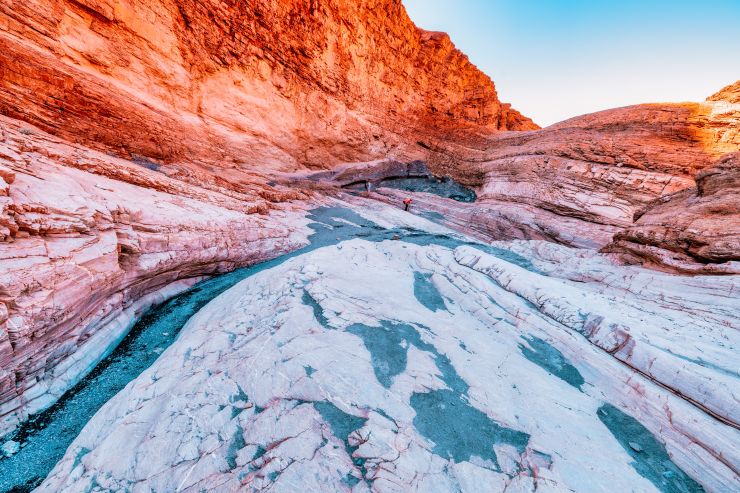
- Desert spots around the Lake Mead Recreation Area, the Valley of Fire, or higher elevations up toward Mount Charleston offer much darker skies.
- Death Valley National Park has some of the darkest skies in the U.S., making it one of the best places to watch the show.
The meteors radiate from the constellation Lyra (near the bright star Vega), which will rise in the northeast. However, you don’t need to stare at one single spot, as the meteors will leave long streaks across all parts of the sky.
Also, you can leave the binoculars and telescopes at home. All you need are your eyes, a comfy reclining chair, and some warm layers. Give your eyes about 20 minutes to fully adjust to the dark, and enjoy the show!